Parvo-Giardia-Corona IC
Rapid test for the detection of Parvovirus, Canine Coronavirus and Giardia lamblia antigens
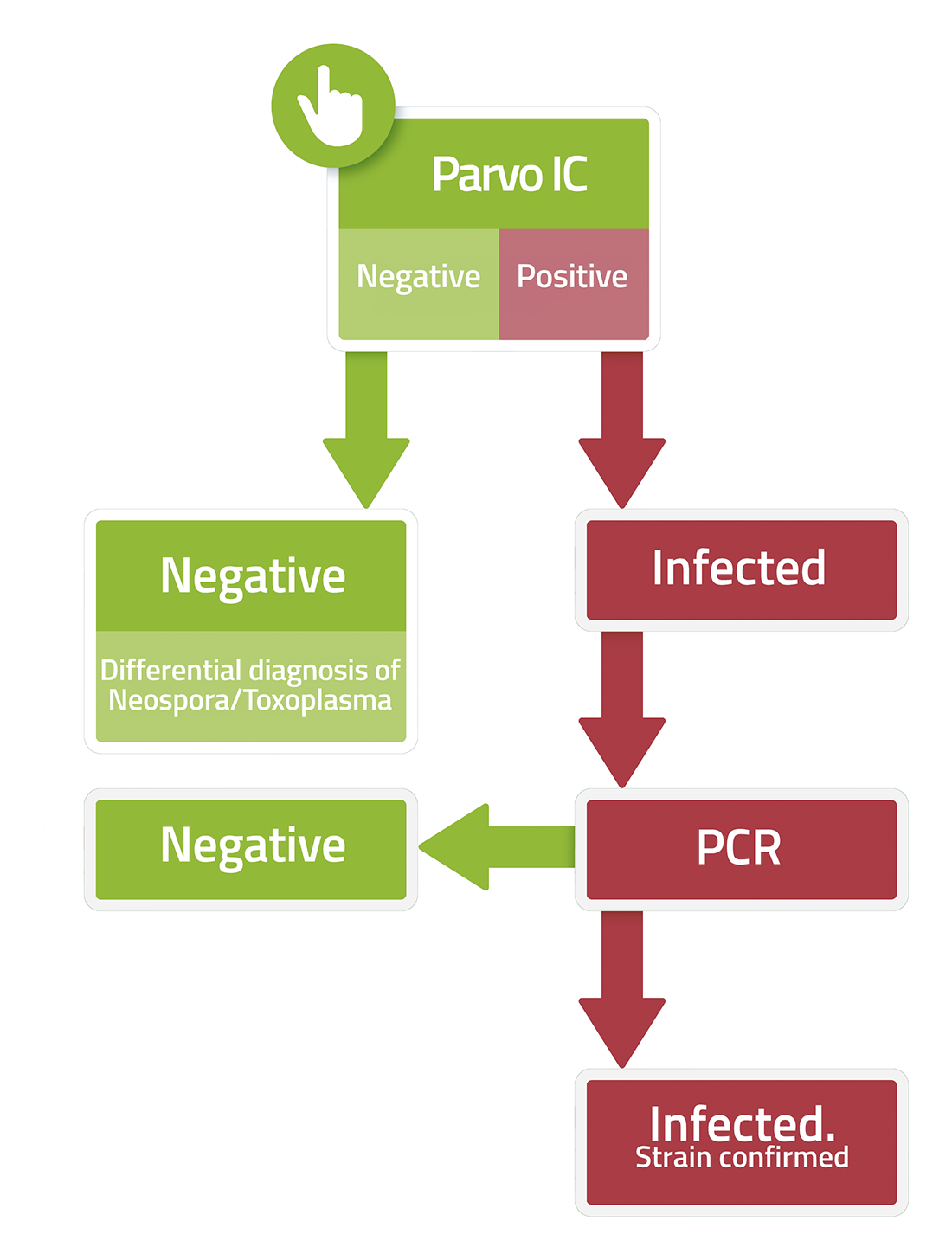
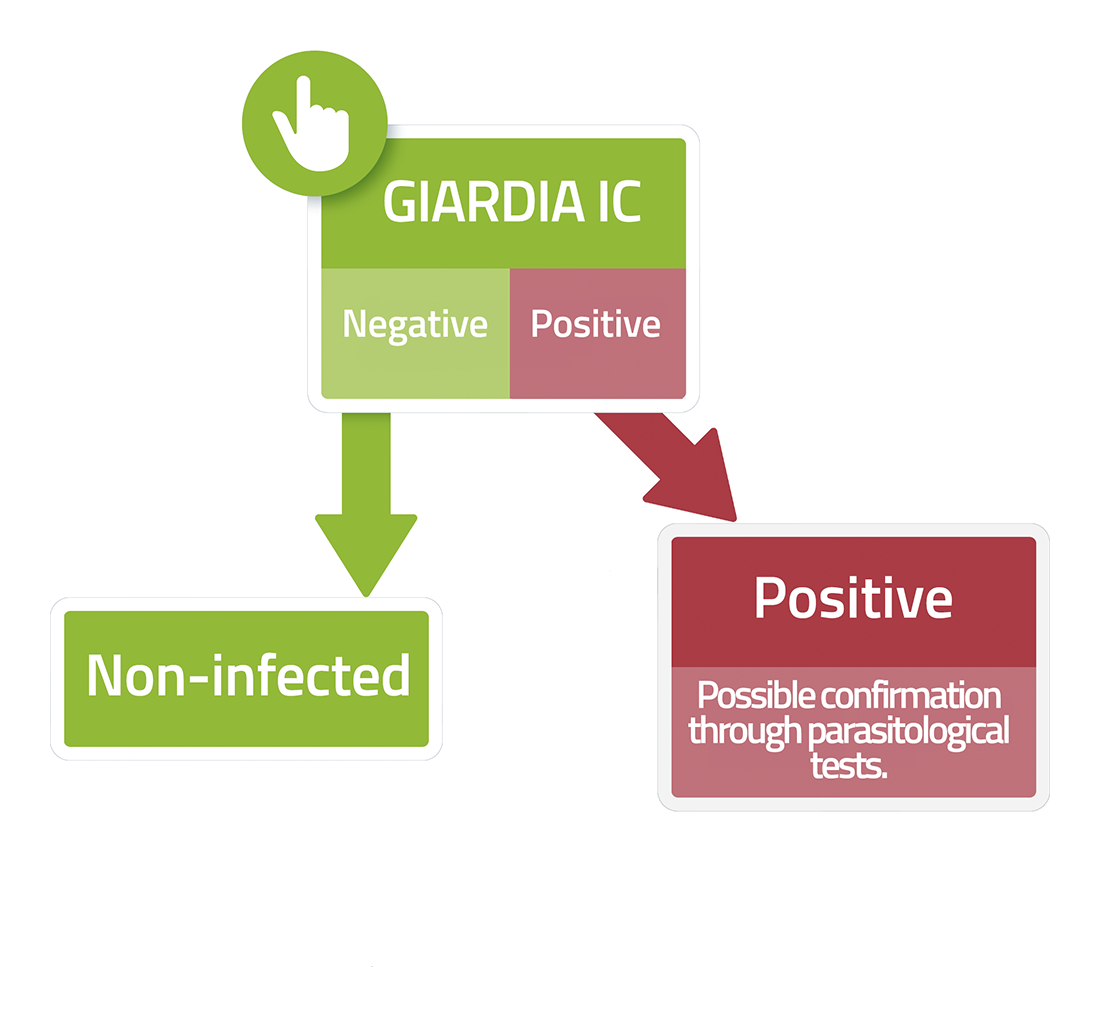
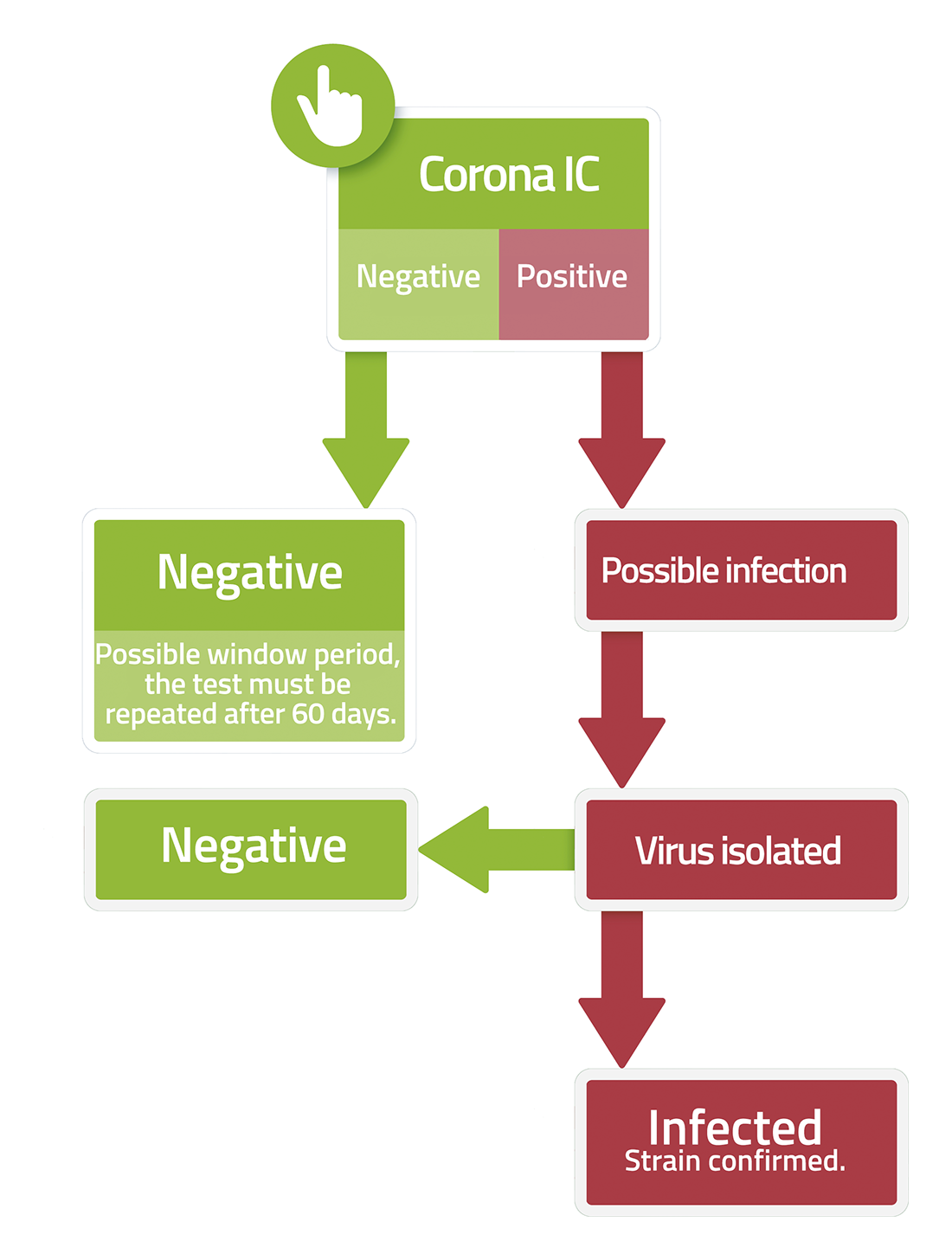
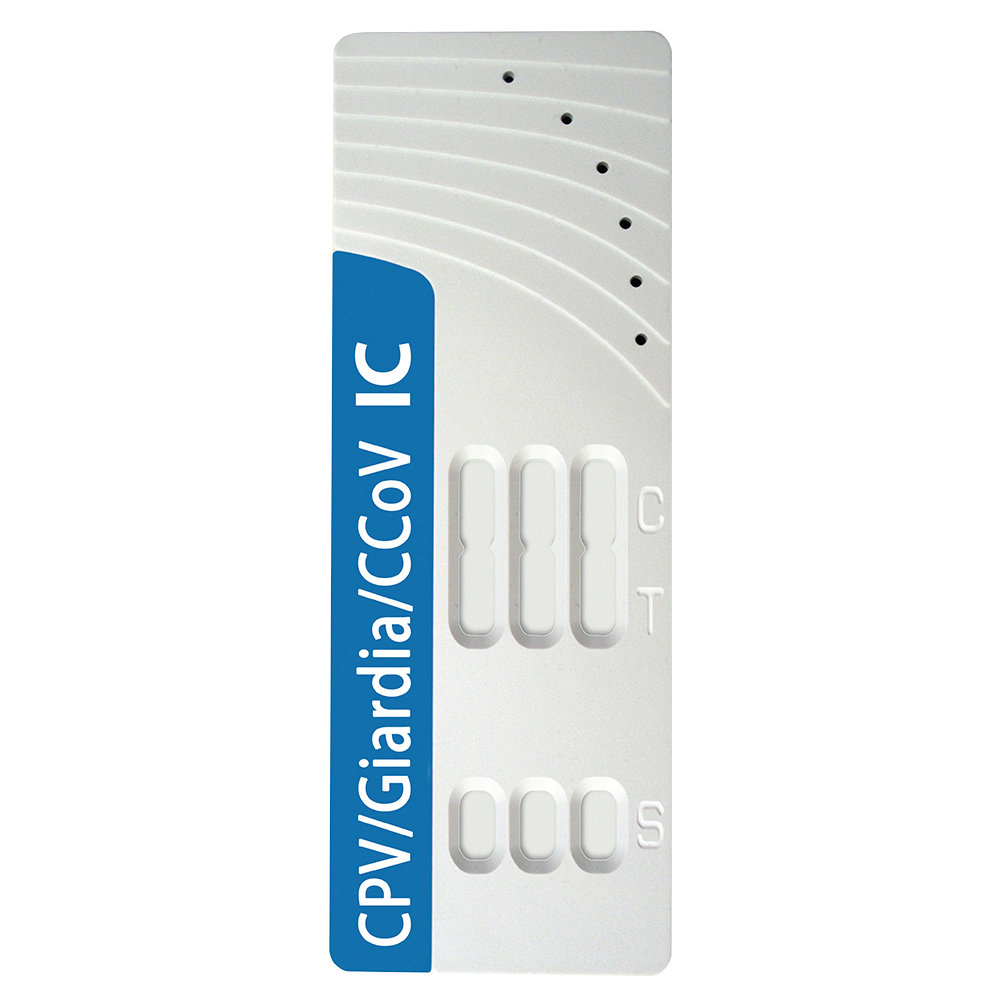
Parvo / Giardia / Corona IC is an immunochromatographic test for the detection of canine Parvovirus (CPV), Giardia lamblia and Canine Coronavirus (CCoV) antigens in canine faeces samples.
The use of a rapid combined test for canine parvovirus type 2 (CPV-2), canine enteric coronavirus (CCoV), and Giardia spp. is not only a practical solution for obtaining more diagnostic information from a single sample. From a pathogenetic and clinical perspective, this approach addresses the complexity of infectious enteropathies in puppies, where multiple agents can often be present simultaneously and interact with the host's intestinal physiology. The combined presence of multiple pathogens can result in a more severe clinical picture than a single infection.
1.Parvovirus and enteric coronavirus: complementary intestinal damage
Clinically, enteritis associated with CPV-2 and CCoV can present similar initial manifestations, with diarrhea, depression, anorexia, and dehydration. However, the two viruses have different biological characteristics and affect different compartments of the intestinal epithelium.
- Canine enteric coronavirus and the involvement of mature enterocytes: Canine enteric coronavirus (CCoV) has a predominant tropism for mature enterocytes located in the apical portion of the intestinal villi. Viral replication causes superficial epithelial damage and loss of mature cells, but generally spares the stem cells located in the intestinal crypts, allowing, in uncomplicated cases, rapid mucosal regeneration.
- Canine parvovirus type 2 and intestinal crypt damage: Canine parvovirus type 2 (CPV-2) primarily targets the rapidly dividing cells of the crypts of Lieberkühn. The destruction of stem cells and enterocyte precursors compromises the regenerative capacity of the intestine, leading to villous atrophy, loss of barrier function, and an increased risk of systemic complications.
- Co-infection and amplified intestinal damage: When CPV-2 and CCoV are present simultaneously, the damage can be more complex: CCoV contributes to the loss of mature enterocytes from the villous surface, while CPV-2 compromises the regenerative compartment of the crypts. This combination can lead to a more marked compromise of intestinal integrity, with a greater risk of severe dehydration, bacterial translocation, and bacteremia requiring intensive supportive care.
- The advantage of triple testing: Early identification of a co-infection can provide the veterinarian with important prognostic information and facilitate more careful patient monitoring.
2.Giardia: the role of the protozoan in compromising the intestinal barrier
The inclusion of Giardia spp. in a diagnostic panel along with the main enteric viruses responds to a specific clinical rationale.
- Altered intestinal barrier function: Giardiasis can lead to impaired tight junctions and increased mucosal permeability.
- Risk of complications: In the presence of a concomitant enteric viral infection, this barrier disruption can facilitate the passage of enteric viruses (such as CPV-2 or CCoV) and intestinal bacterial components, amplifying the local and systemic inflammatory response.
- Divergent Therapeutic Management: While viral infections require supportive care and broad-spectrum antibiotics to prevent sepsis, Giardia spp. requires specific treatments.
3.Differential diagnosis and targeted treatment choice
The triple point-of-care test (Parvo-Giardia-Corona IC) performed directly in the clinic during the visit allows the veterinarian to make differential diagnoses between conditions that may present overlapping clinical manifestations but require different therapeutic approaches.
- Targeted Treatment: A correct diagnosis avoids untargeted treatments and contributes to the principles of antimicrobial stewardship, reducing the unnecessary use of antibiotics that are ineffective against protozoa and can further alter an already compromised gut microbiota.
4.An integrated diagnostic approach for the management of co-infections
In cases of infectious gastroenteritis, the presence of a single pathogen does not always fully explain the severity of the clinical picture. A combined panel for CPV-2, CCoV, and Giardia provides a more comprehensive view of the patient's intestinal ecosystem, improving the identification of co-infections, prognostic assessment, therapeutic choice, and management of the risk of complications.
Bibliography
- Argüello-García, R., & Ortega-Pierres, M.G. (2021) Giardia duodenalis virulence – "To be, or not to be". Curr Trop Med Rep. 8(4):246-256.
- Pratelli, A. (2006) Genetic evolution of canine coronavirus and recent advances in prophylaxis. Veterinary Research, 37(2), 191-200.
- Reagan, K.L., et al. (2020) Canine infectious respiratory disease. Clin. North. Am. Small. Anim. Pract. 50(2):405-418.
- Sabyrzhan, T., et al. (2025) Co-infection of canine parvovirus and circovirus in fatal gastroenteritis outbreak among service dogs in Kazakhstan, 2023. Cell. Infect. Microbiol. 15:1645697.
- Schulz, B. S., et al. (2014) Detection of respiratory viruses and Bordetella bronchiseptica in dogs with acute respiratory tract infections. Vet J. 2014 Sep;201(3):365-9.
- Sun, J., (2023) Assessment of potential zoonotic transmission of Giardia duodenalis from dogs and cats. One Health. 17:100651.
PARVO
Parvo is a highly contagious viral disease that can be potentially fatal, especially in unvaccinated puppies.
The responsible virus is classified as Canine Parvovirus Type 2 (CPV 2), to distinguish it from another Parvovirus (CPV 1) found in dog faeces, without pathological significance. It is a very resistant virus in the environment (it can also withstand up to 1 year) and to the action of detergents and disinfectants.
The virus is excreted in the faeces and multiplies in the digestive tract and bone marrow. Penetrated into the body orally, after an incubation period of 3-8 days, the virus initially replicates in the oropharyngeal lymphatic tissues, from which it spreads haematogenously to all tissues. Subsequently, the virus localizes to the lymphohematous tissues of the bone marrow and to the lymphoid tissues of the jejunum and ileum, where it causes respectively neutropenia, lymphopenia, destruction of the intestinal villi with necrosis of the epithelium and hemorrhagic diarrhea. As a result of immunosuppression, infected animals have frequent secondary bacterial infections (from Escherichia coli, Salmonella, Campylobacter and clostridia) which aggravate the pathogenetic picture. From the 3rd day post-infection the animal becomes a virus eliminator.
Infection can occur by direct contact with the faeces of infected dogs or indirectly through exposure to the environment or to contaminated objects, such as litter boxes or bowls.
Parvoviral infection can affect dogs of any age, although most cases occur in young puppies between the ages of 6 weeks and 6 months. Unvaccinated or partially vaccinated animals have a considerably higher risk of developing parvo.
Some breeds are described as predisposed to canine parvovirus infection, such as Dobermann Pinscher, Rottweiler, English Springer Spaniel, German Shepherd, American Pit Bull Terrier and Dachshund. These breeds, once infected, also tend to develop more severe symptoms.
Toy Poodles and Cocker Spaniels appear to have a reduced risk of canine parvovirus infection. Puppies whose mothers have been regularly vaccinated are also affected less frequently and less severely by parvo. This is because vaccination from the mother increases the levels of circulating maternal antibodies in young puppies. The spread of canine parvo is worldwide. The first episodes of canine parvovirus sustained by CPV were observed in 1978 in America, the disease spread rapidly throughout the world, affecting wild canids and domestic dogs, soon becoming an endemic disease.
GIARDIA
Giardiasis is caused by Giardia, a unicellular parasite belonging to the flagellated protozoa (Giardia intestinalis, or duodenalis or lamblia), it can affect dogs, cats, other animals and even humans indifferently, causing a disease also known as giardiasis (in human part of the traveler's diarrhea complex).
Normally the transmission of Giardia occurs via the fecal-oral route through the ingestion of contaminated food, water or land. The life cycle is direct and does not require intermediate hosts.
Giardia in faeces occurs in two forms: the mobile, flagellate, or the form it takes in the intestine; the cystic form, most common to see in stool tests. In the cystic form, giardia is able to survive for several months in the environment, especially where there is a lot of water and humidity. Once the cysts enter the body orally, the cysts mature in the intestine and become trophozoites. Here they reproduce and can begin to produce cysts that are released with the faeces.
The spread of Giardia is about 10% in dogs kept in the family, from 36 to 50% in puppies and up to 100% in kennels.
The prevalence in cats ranges from 1.4 to 11%.
CORONAVIRUS
The incubation period is short, from 1 to 4 days.
After 3-4 months of infection CCoV can usually be present in the faeces of infected dogs.
After infection, the virus migrates to the mature epithelial cells of the small intestine villi, which it attacks and damages them, and where it reproduces rapidly.
During infection, the virus and its viral antigens are then transported to the underlying lymphoid tissue. Absorption into intestinal lymphoid tissue suggests that CCoV may persist and become latent in some dogs.
PARVO
The course of parvo is variable from subject to subject even within the same litter. There are basically two clinical forms: one gastrointestinal (of variable severity) and one cardiac; however, a sub-clinical form is also recognized.
Gastrointestinal form:
After a short incubation period, the following appears:
- vomiting and diarrhea with blood
- anorexia
- depression of the sensory
- dehydration rapidly sets in and, sometimes, even mild
- hyperthermia
- leukopenia (<3000 cells / mm3) with marked lymphopenia.
.
The course is variable and a slow recovery or a worsening of the general conditions with death of the affected subjects can be observed.
Heart shape:
Clinical evolution is rapid and 2-4 weeks old subjects die with the signs of acute myocarditis.
Subclinical form:
It is perhaps the relatively most frequent form, characterized by:
- mild sensory depression
- anorexia
- mild diarrhea
- modest leukopenia / lymphopenia.
.
The development of the sub-clinical form, sometimes asymptomatic, is closely correlated with the degree of immunity of the animal at the time of infection. Obviously, this is a partial immunity that does not prevent the replication and excretion of the virus. This clinical form takes on a different epidemiological importance depending on the type of life of the animal. In a puppy living in a family environment, the infection will have a limited epidemiological impact; on the contrary, the same situation projected inside a breeding / kennel takes on a completely different implication, as the infected animal eliminates the virus with the feces and can transmit the infection to other subjects.
GIARDIA
Most infections in which cysts pass in the stool are asymptomatic. However, sometimes the symptoms can become manifest, especially in puppies and kittens, in elderly animals, in debilitated animals, in those suffering from other diseases (for example cats with FIV and FeLV), in those with multiple intestinal worms.
The main symptoms are:
- diarrhea (acute, liquid, manifesting as a single very strong discharge or with multiple and repeated discharges)
- slimming
- mucous and foul-smelling stools, sometimes with blood streaks
- sometimes lethargy in cats
- decreased appetite
- stunted growth
.
CORONAVIRUS
Coronavirus infection is usually less dramatic than parvo infection. Clinical signs can vary greatly in dogs of any breed, age and sex. The main clinical signs are:
- Nausea,
- Vomiting,
- Diarrhea.
- Orange colored stools, very bad smelling
- Presence (rare) of blood in the stool
- Loss of appetite
- Lethargy
.
The clinical signs may be more serious, depending on whether the infection is sustained by particularly virulent strains or in very young puppies.
Symptoms are not very specific, so it is of fundamental importance to carry out a test.
Coronavirosis mainly affects the cells of the digestive system damaging them.